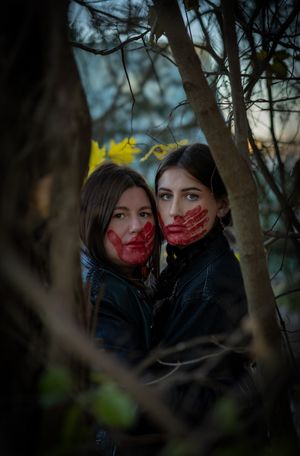
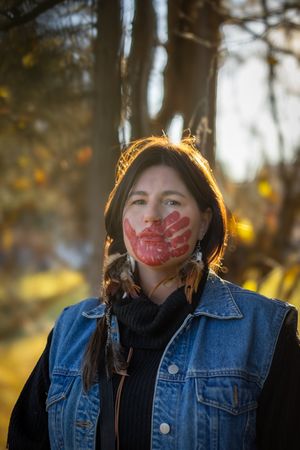
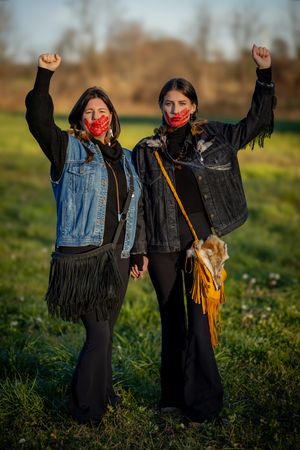
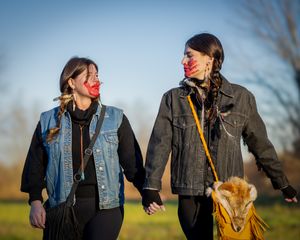
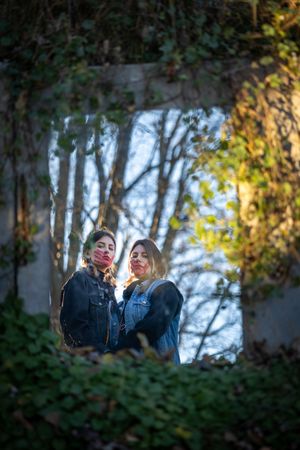
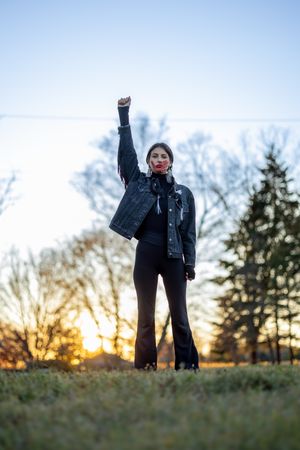
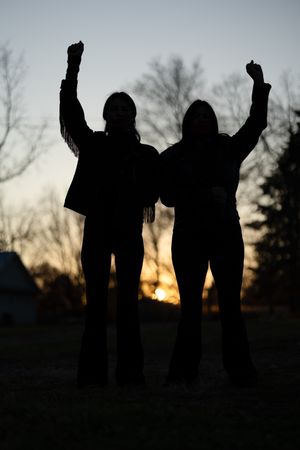
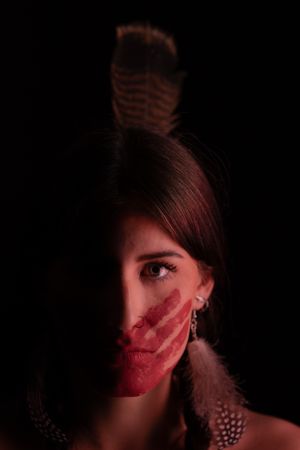
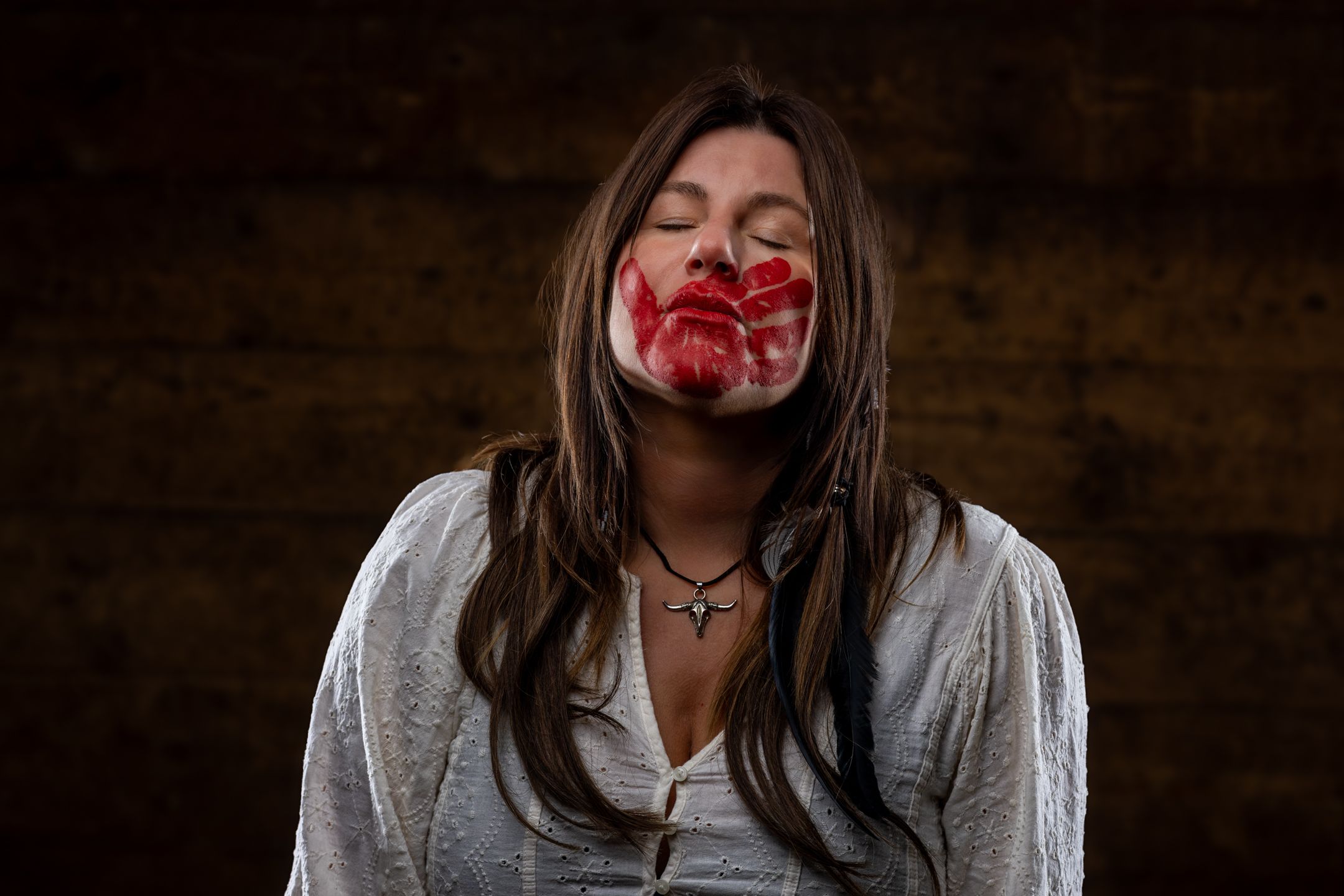
I was given the opportunity to do a shoot in support of the MMIWG2 (missing and murdered women & girls) cause. Initially I was asked if I could take a couple of photos for a friend of a friend who needed some material for their indigenous studies class. When they told me about the cause, I said hell yes!
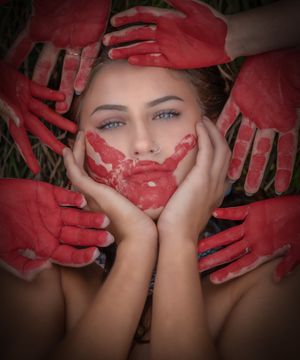
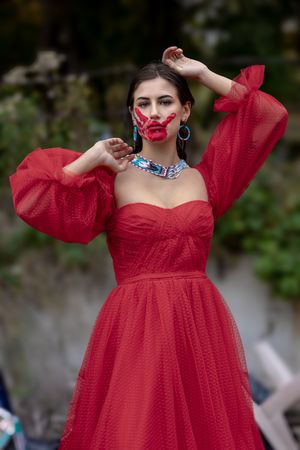
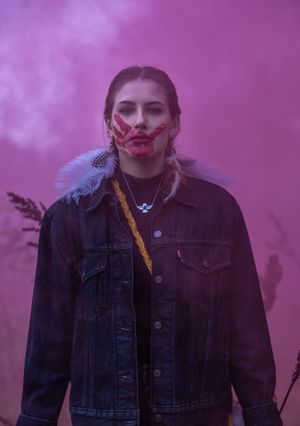
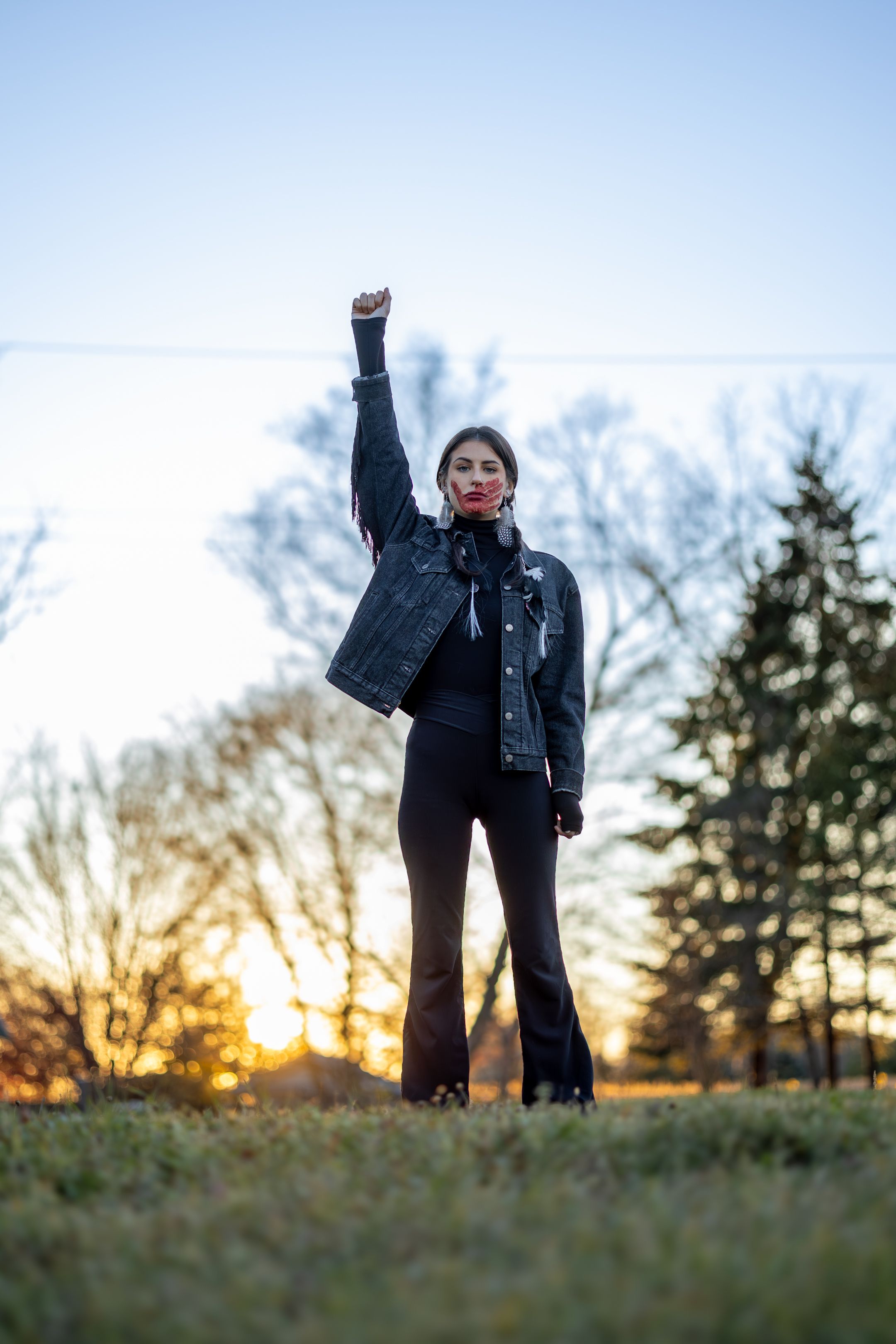
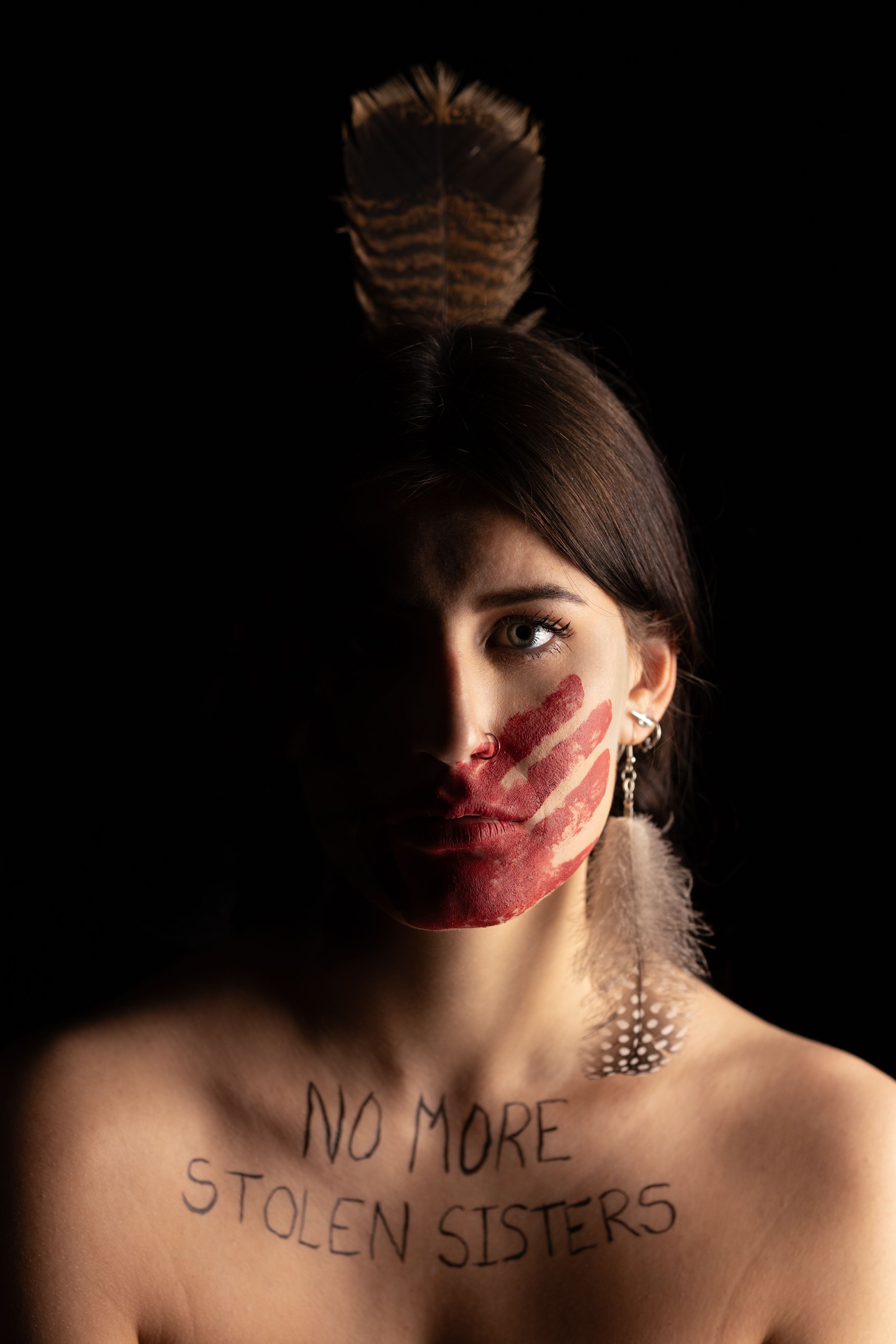
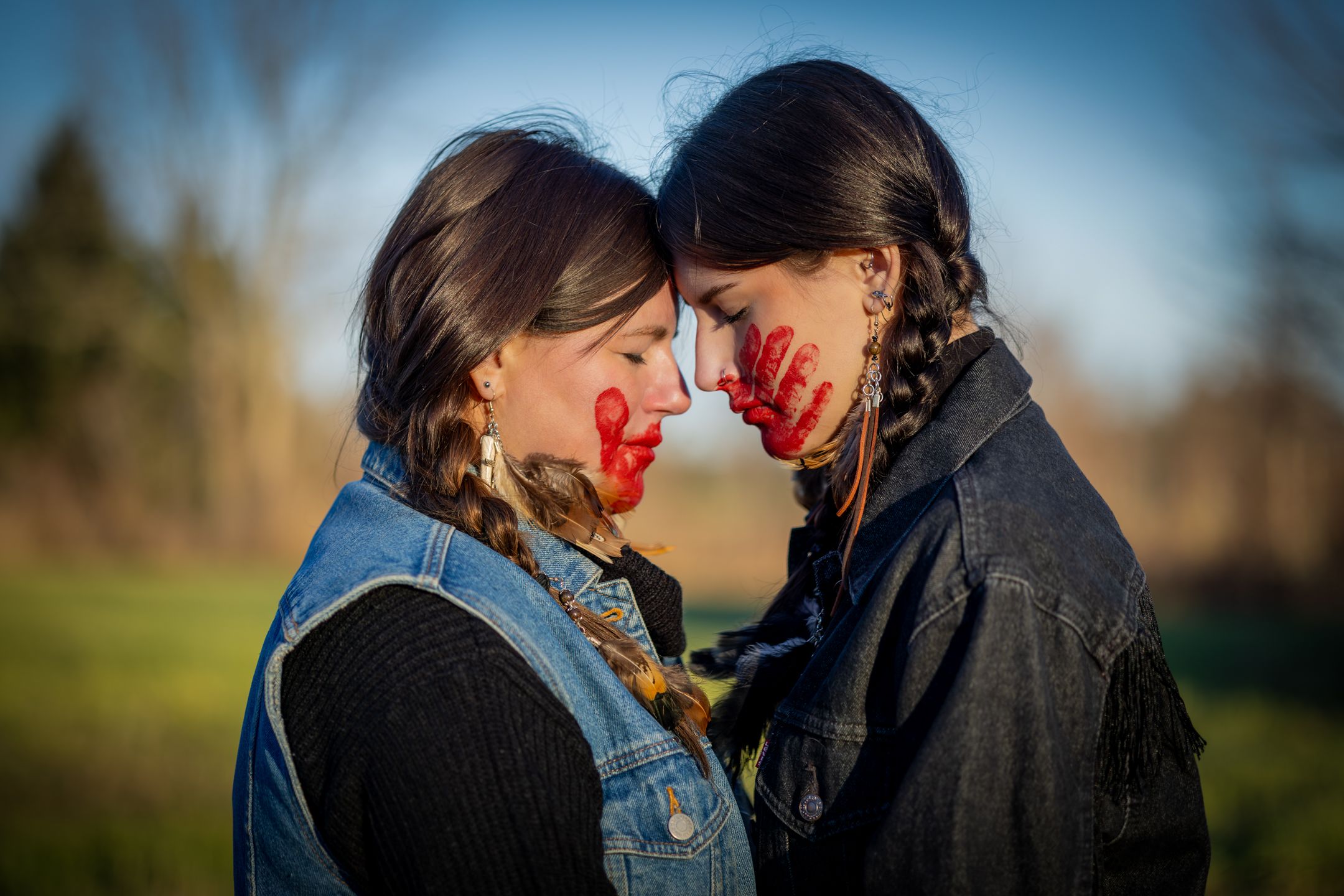
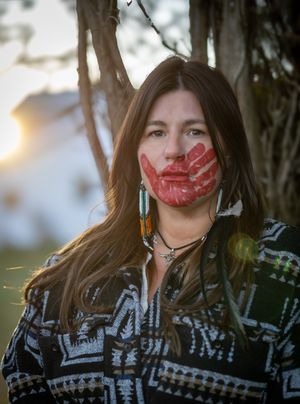
Red Handprint
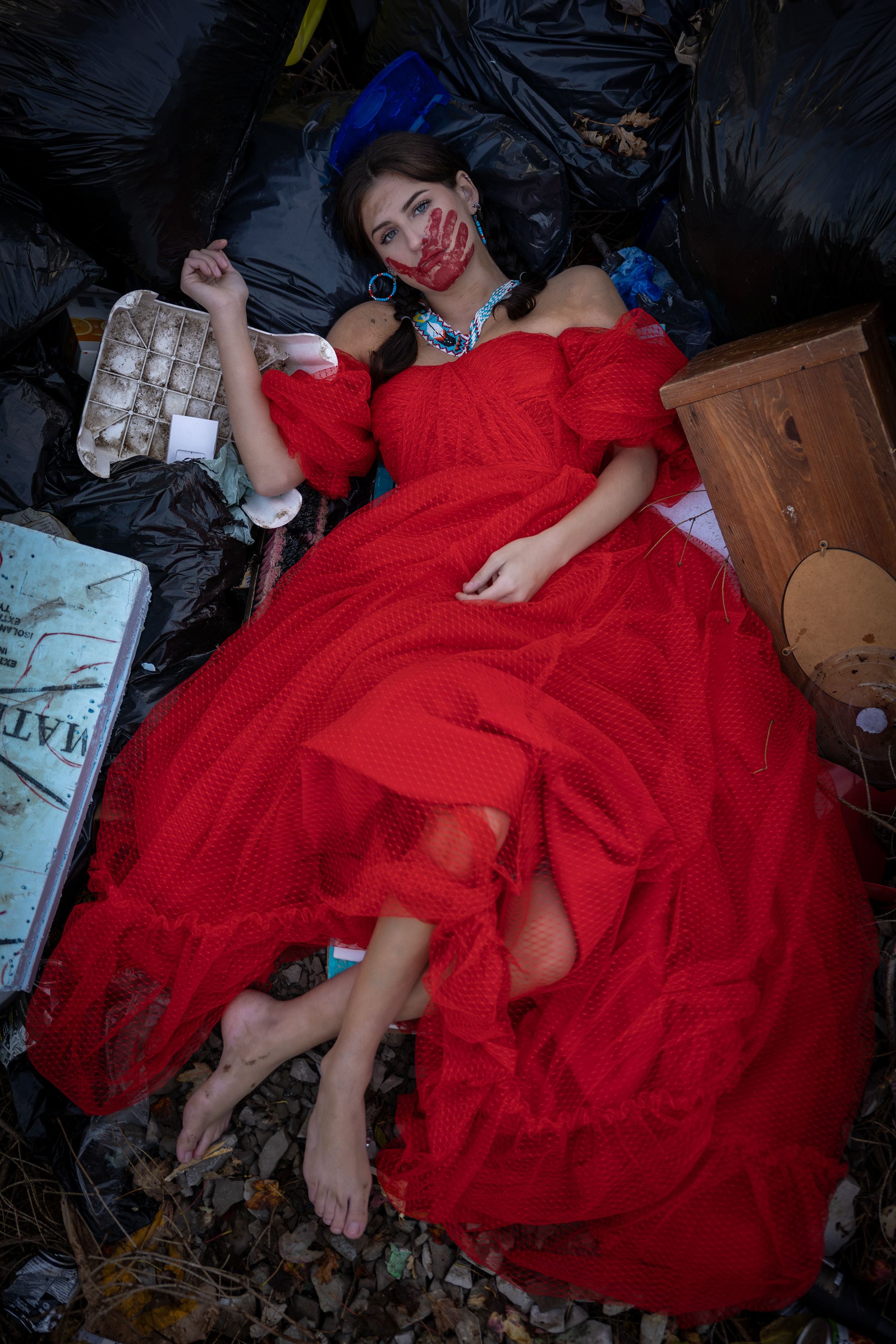
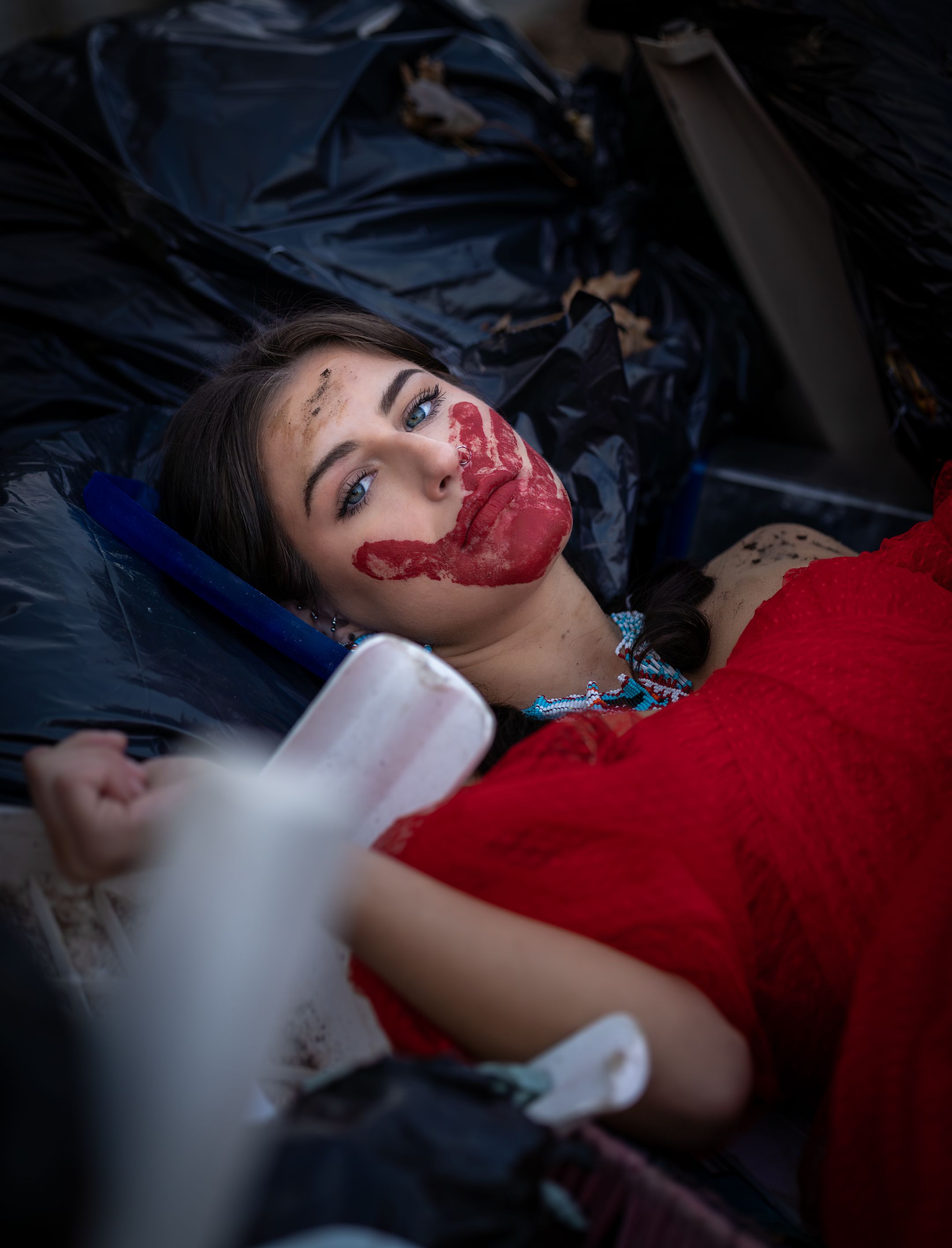
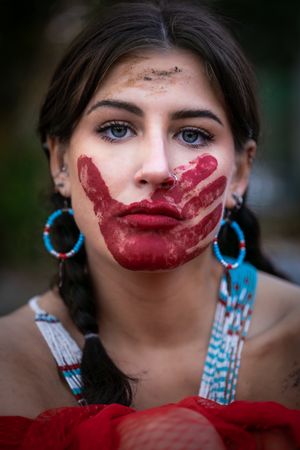
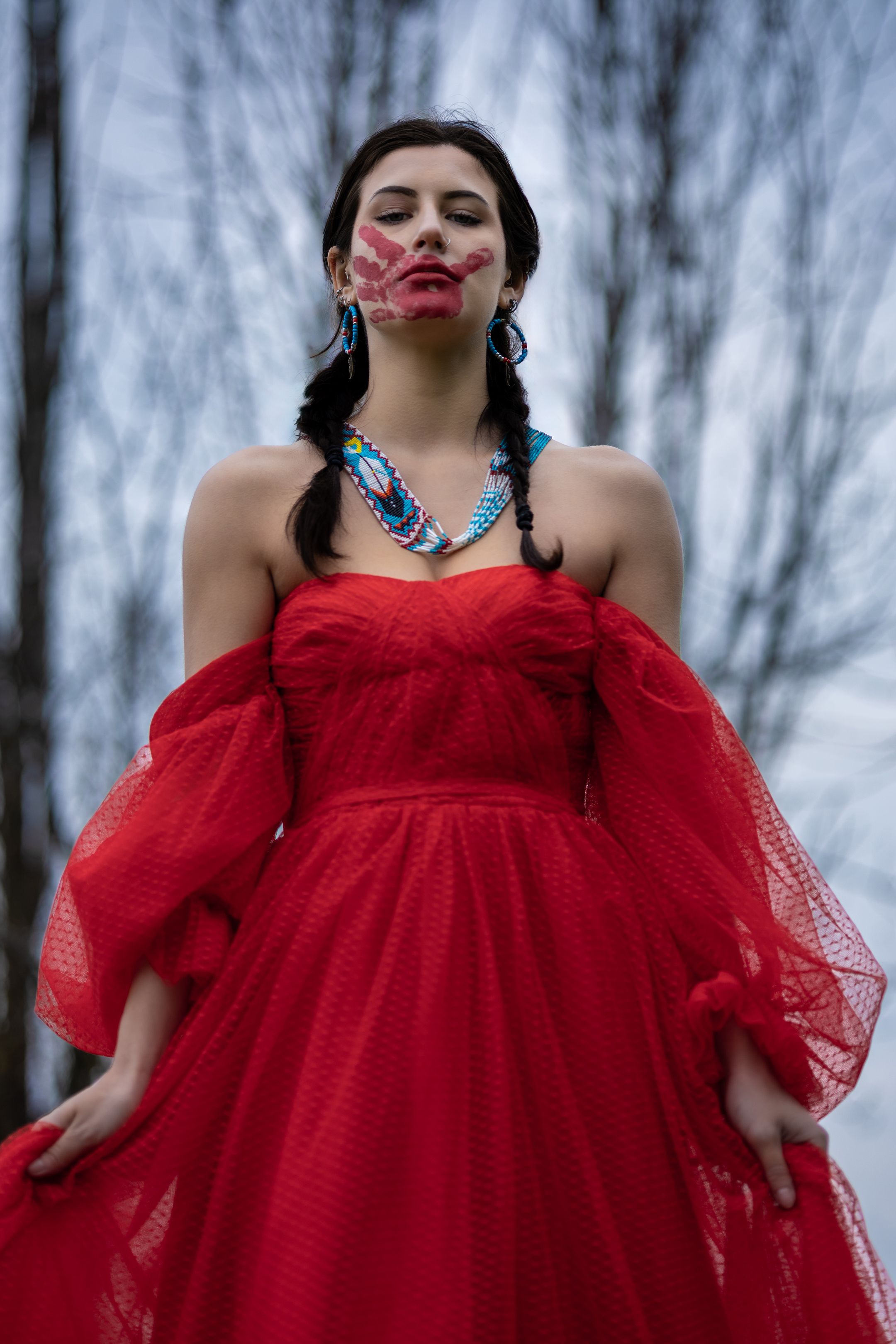
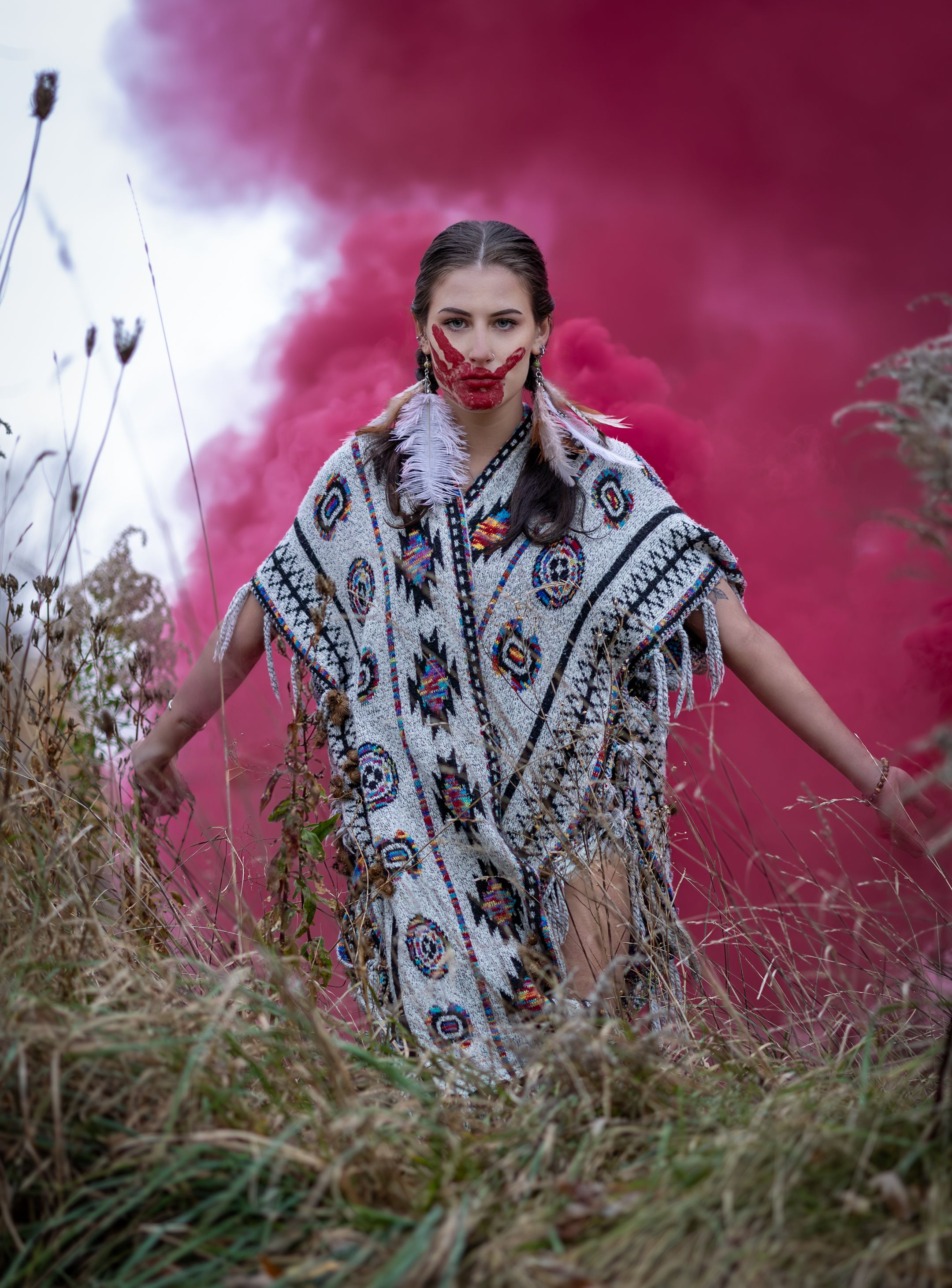
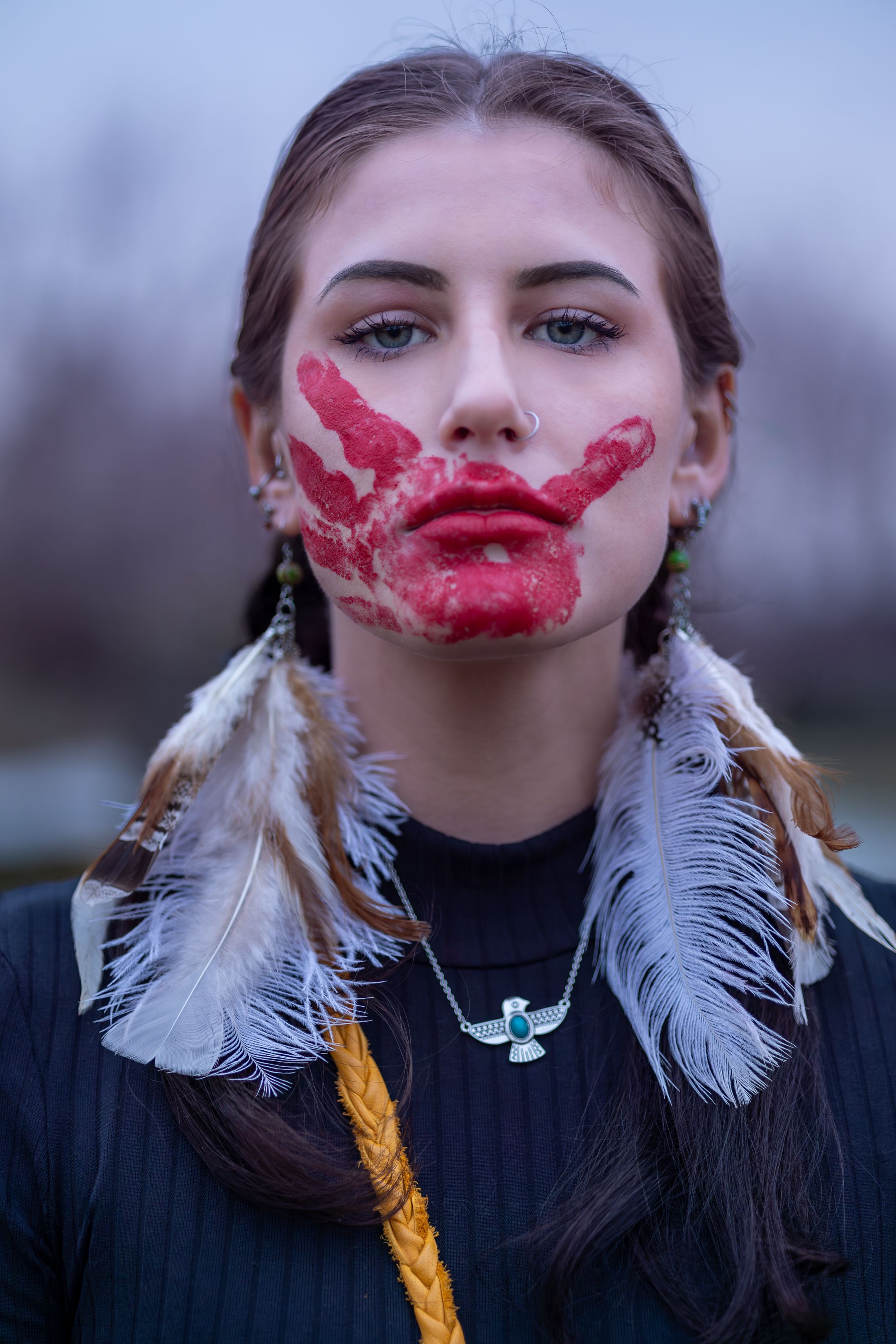
The red handprint - A red hand over the mouth has become the symbol of a growing movement, the MMIW movement. It stands for all the missing sisters whose voices are not heard. It stands for the silence of the media and law enforcement in the midst of this crisis…
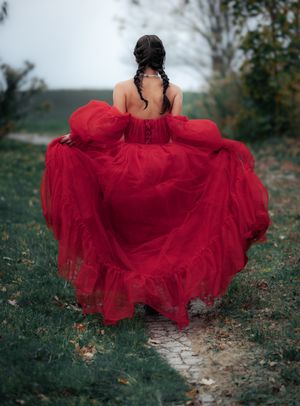
Red Dress
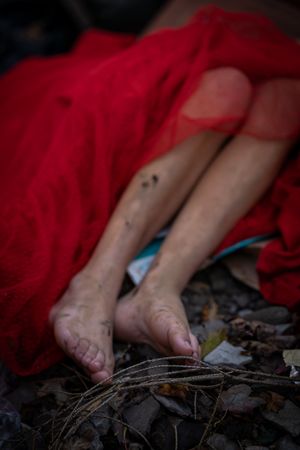
The red dress - Was inspired by Métis artist Jaime Black’s REDress Project installation, in which she hung empty, red dresses to represent the missing and murdered women. Red dresses have become symbolic of the crisis as a result of her installation. Symbolizes the bloodshed within the native community…
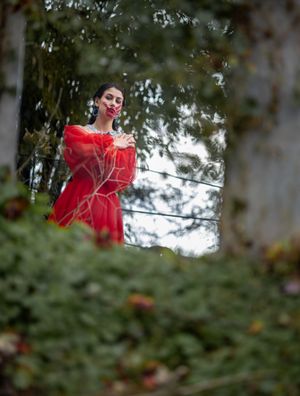
Garbage She Lays in
The garbage she lays in - Represents the landfill in Manitoba where the bodies of Marcedes Myran and Morgan Harris lay, disregarded and uncared for by the province that to this point, refuses to search for them…
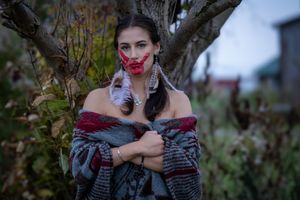
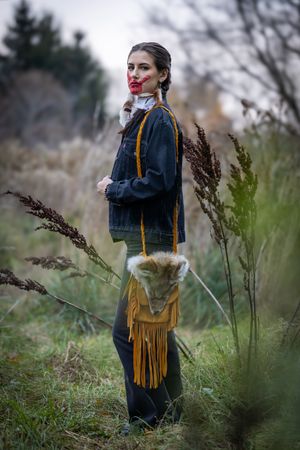
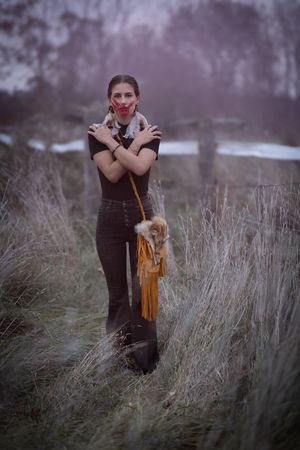
"To really change the world, we have to help people change the way they see things. Global betterment is a mental process, not one that requires huge sums of money, or a high level of authority. Change has to be psychological. So if you want to see real change, stay persistent in educating humanity on how similar we all are, rather than different. Don't only strive to be the change you want to see in the world, but also help those around you see the world through commonalities of the heart, so that they would want to change with you. This is how humanity evolves, this is how you change the world". ~ Suzy Kassem
ALMOST 6 IN 10
Indigenous women have experienced physical assault. while almost half 46% have experienced sexual assault.
In comparison. about a third of non Indigenous women have experience physical assault
(34% or sexual
assault (33% in their lifetime.
About 2/3
Of First Nations (64% and Mètis (65% women have experienced violent victimization in
their lifetime.
42% OF INDIGENOUS WOMAN
Were more likely than non-
Indigenous women 27% to have been physically or sexually abused by an adult during childhood and to have experienced harsh parenting by a parent or guardian. These childhood experiences were associated with an increased prevalence of lifetime violent victimization.
~Statistics From Native Women's Association of Canada 2023~